Sheet 05 · 5 May 2012 · Seti River · Gandaki basin
The morning the river rose without rain.सेती
At nine in the morning, a piece of the Annapurna IV ridge let go. The rock fell more than three kilometres into the gorge of the Seti, and what reached Kharapani half an hour later was not a river. This sheet keeps the record of that morning.
The record
Through late April the Seti had been running low. At Pokhara it had dropped to a trickle, and the milk-white water ran clear. The record of the morning of 5 May reads as follows.
- 09:10· seismic record
The fall registered on every one of the national seismological network’s twenty-one stations. On the order of twenty-two million cubic metres of rock left the flank below Annapurna IV and dropped more than three thousand four hundred metres into the headwaters of the Seti.
- 09:16· Pokhara airport
An ultralight pilot radioed the Pokhara tower to report an unusual dark cloud standing over the mountain. His wing camera was filming. The cloud was the dust of the fall.
- approx. 09:38· Kharapani
The front came out of the gorge at Kharapani, about twenty kilometres from the cirque, roughly twenty-eight minutes after the fall. Photographs timed at 09:38 show it entering the valley. It was not a river by then.
- approx. 10:35· Pokhara
The debris flow reached the intake dam of the Seti irrigation system at Pokhara, and went on past the city. The river ran in waves for hours afterward. Nothing about the morning had included rain.
The evidence from orbit
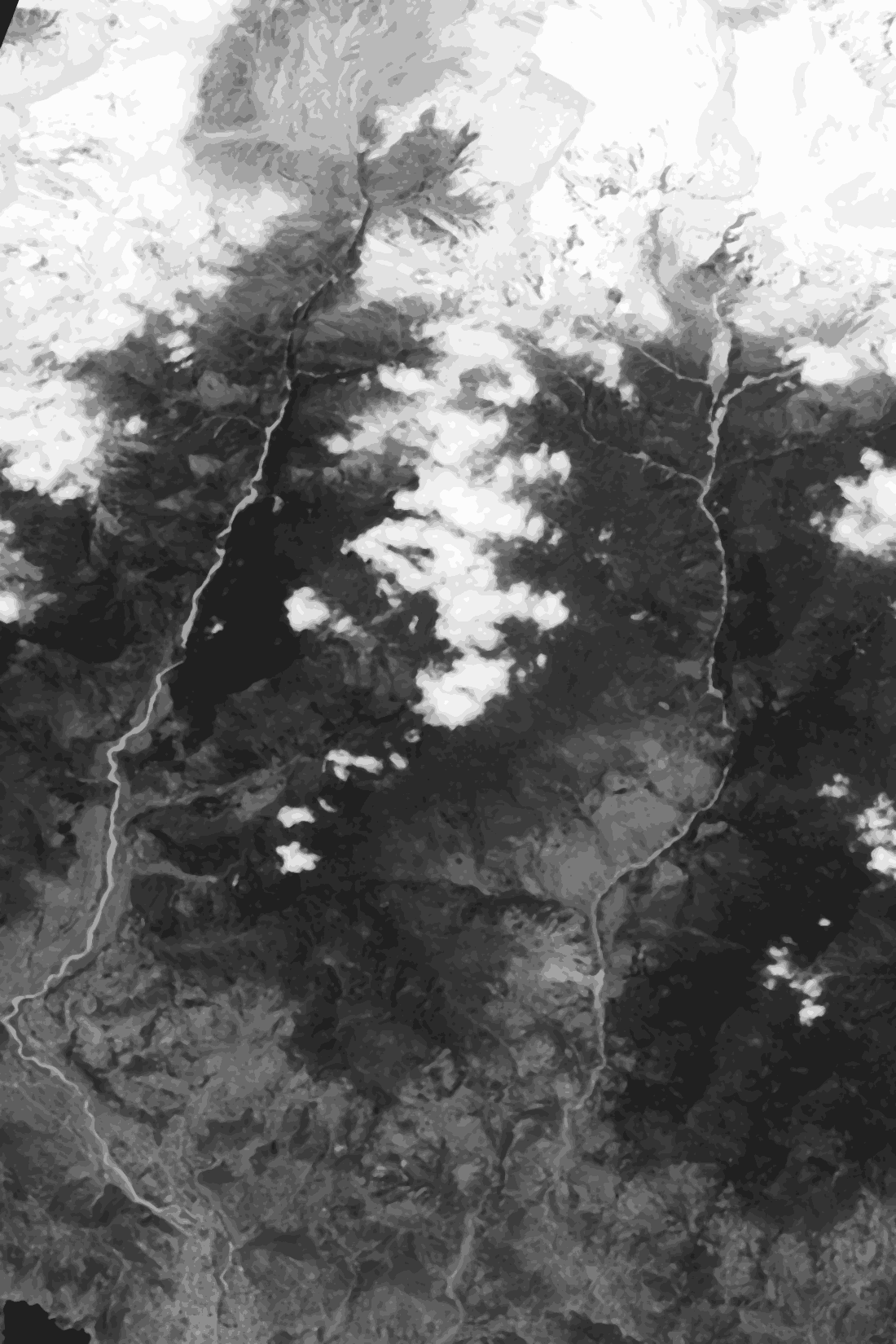
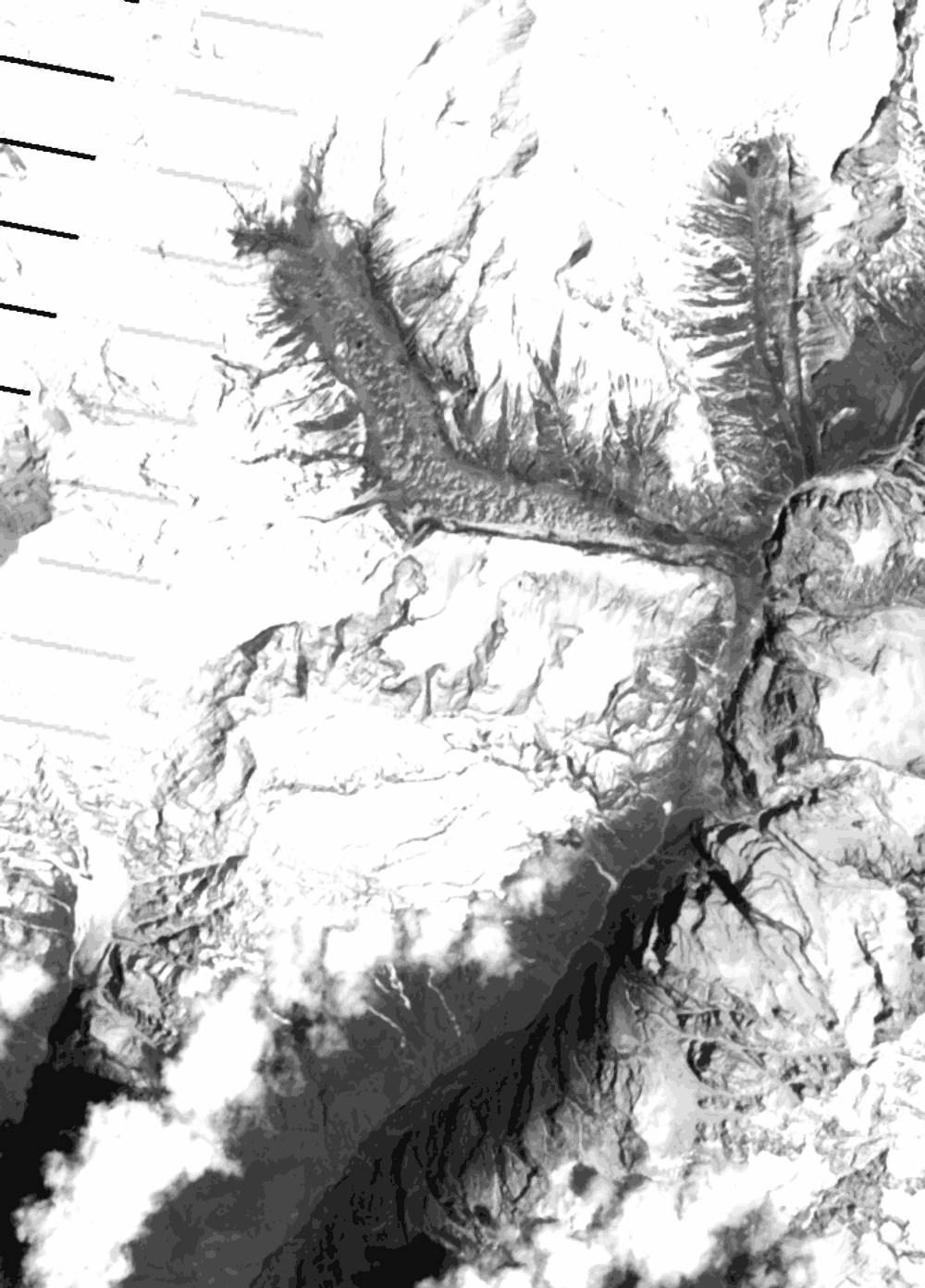
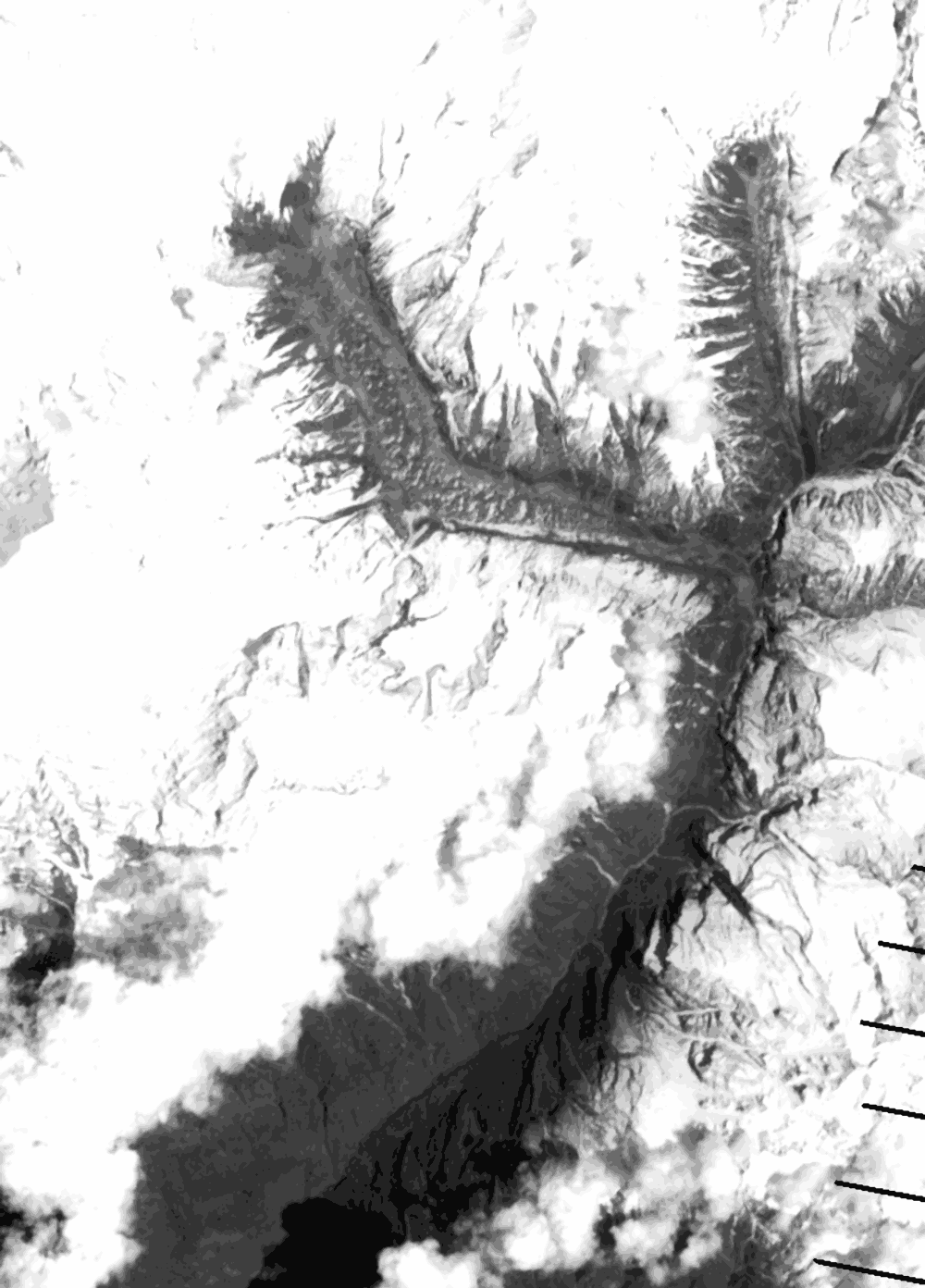
The descent
0 — 35.7 km · 3,024 — 841 m
Front interpolated between the recorded timings. Profile derived from Copernicus GLO-30.
Sources — NASA Earth Observatory (2012); the published seismic and field analyses of the 5 May 2012 Seti flood. Times as published; nothing on this sheet is invented.
The memorial
Seventy-two people were killed or never found when the flood came down the Seti River on the morning of 5 May 2012.
5 May 2012 · Seti River · the count on the record